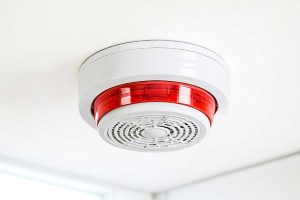
PSA Smoke Alarm
AS 3786:2023 vs 2014 – What Actually Changed for Photoelectric Smoke Alarms?
Australian households have relied on AS 3786:2014 for almost a decade. That edition did the job, yet technology has moved on and real-world fire data

Australian households have relied on AS 3786:2014 for almost a decade. That edition did the job, yet technology has moved on and real-world fire data
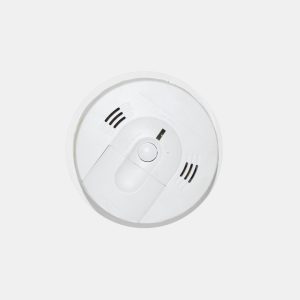
Australian households rely on photoelectric smoke alarms to raise the alert early and buy time to escape. Behind every compliant device sits AS 3786, the
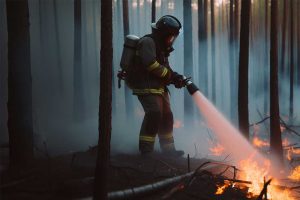
The Greater Sydney basin is heading towards another hot, dry fire season. Longer grass from a wet year has already browned off, and forecast El
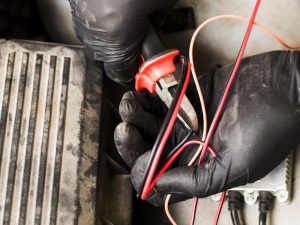
Fire systems live or die by cable quality. Detectors, sounders, and control equipment only work as designed when the wiring is correct, protected, and documented.
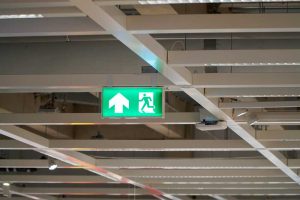
When a building loses mains power, people rely on emergency lights and running-man signs to point them out safely. In Australia the benchmark for that
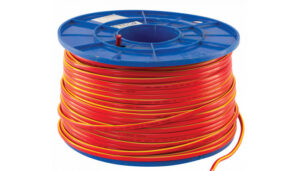
Nothing draws complaints faster than a public-address system that crackles during an evacuation drill. For buildings equipped with Voice-Evacuation and Emergency Warning & Intercommunication Systems
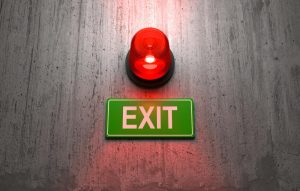
Emergency and exit lighting is not a nice-to-have. It is a life-safety system that must perform when mains power fails. In Australia, the benchmark is
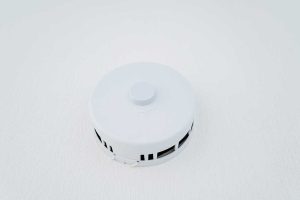
Nobody enjoys evacuating a building only to discover the café on the ground floor is still frying bacon. Yet that scene plays out every few
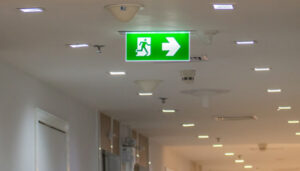
Owners of commercial property are used to the steady trickle of costs that flow from AS 2293 compliance testing. Every six months an electrician turns

Commercial lighting upgrades are no longer driven only by visibility targets; energy and risk management now sit at the same table as aesthetics. Replacing fluorescent