Table of Contents
ToggleVictoria Bushfire Inquiry 2026: 80 Recommendations to Improve Fire Safety and Emergency Preparedness
Victoria’s 2026 bushfire inquiry has delivered 80 recommendations and 93 findings aimed at improving bushfire preparedness, emergency response, critical infrastructure resilience and community safety.
The final report was tabled in the Victorian Parliament on 28 July 2026 following an investigation into the devastating summer bushfires across the state.
The inquiry examined emergency communications, firefighting resources, electricity and telecommunications failures, land management, community warnings and recovery arrangements.
For Australian fire protection contractors, electrical contractors, facility managers and businesses, the report highlights important lessons about emergency planning, infrastructure reliability and maintaining fire safety systems.
The recommendations are not new laws or mandatory fire safety standards. The Victorian Government has six months from the report’s tabling date to provide its formal response.
What Did the Victoria Bushfire Inquiry Find?
The parliamentary inquiry investigated the preparation for, response to and consequences of the 2026 summer bushfires.
The fires caused extensive damage across regional Victoria, affecting communities, businesses, agricultural properties and essential infrastructure.
According to the Victorian Parliament, the fires burned more than 440,000 hectares, destroyed 451 homes and resulted in one death.
The inquiry identified weaknesses in several areas of emergency preparedness and response.
The report provides a framework for identifying areas where Victoria’s emergency management arrangements could be improved.
Read the official Victorian Parliament inquiry report.
Key Recommendations From the 2026 Victorian Bushfire Inquiry
The inquiry’s recommendations address a wide range of issues, from emergency communications and firefighting equipment to community preparedness and critical infrastructure.
Several areas are particularly relevant to fire safety and building services professionals.
1. Improving Emergency Communications During Bushfires
Reliable communication is essential during major fire emergencies.
The inquiry examined problems involving telecommunications infrastructure, emergency warnings and communication between agencies and communities.
One recommendation calls for stronger resilience standards for mobile telecommunications towers, including 48 hours of backup power.
This reflects the importance of maintaining communication services when normal electricity supplies are disrupted.
For emergency management teams, communication failures can affect evacuation warnings, incident coordination and access to emergency information.
The inquiry also highlighted the importance of clear, consistent emergency warnings.
2. Strengthening Critical Infrastructure Resilience
Bushfires can disrupt infrastructure beyond the immediate fire area.
Electricity networks, telecommunications services, water infrastructure and transport access may all be affected.
The inquiry examined the resilience of essential services during and after the fires.
For businesses and facility managers, this raises important questions:
- Can critical systems continue operating during a power interruption?
- Are emergency communication arrangements available if normal networks fail?
- Have essential electrical and mechanical systems been assessed for foreseeable emergency conditions?
- Are emergency access routes and evacuation arrangements clearly documented?
These are practical considerations for business continuity and emergency preparedness.
They should be assessed against the requirements and risks of each individual site.
3. Reviewing Firefighting Equipment and Emergency Resources
The inquiry also examined the availability and condition of firefighting equipment, emergency vehicles and operational resources.
Among the recommendations was accelerated replacement of ageing single-cab frontline firefighting tankers.
The report identified concerns about existing vehicle arrangements and the need to maintain suitable equipment for emergency response.
The inquiry also examined the recruitment and retention of volunteer firefighters.
These findings reinforce the importance of reliable firefighting resources, suitable equipment and long-term emergency service capability.
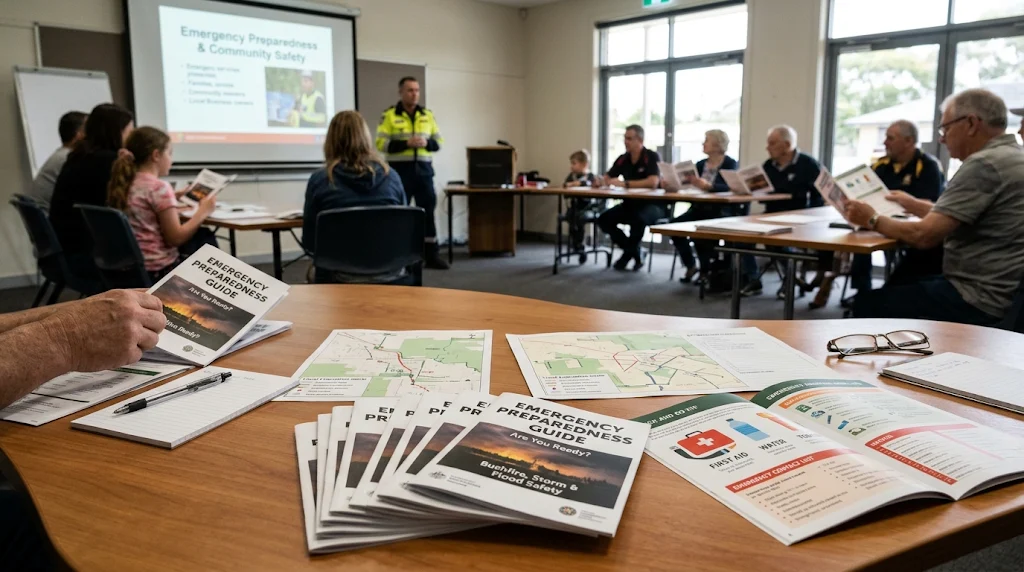
4. Improving Community Preparedness and Evacuation
Emergency planning was another important focus of the inquiry.
The report considered how communities received warnings, understood bushfire risks and responded to evacuation advice.
Clear emergency communication, local knowledge and effective evacuation arrangements can make a significant difference during fast-moving fires.
For businesses operating in bushfire-prone locations, this highlights the value of reviewing:
- Emergency response and evacuation plans.
- Staff training and emergency responsibilities.
- Assembly points and alternative evacuation routes.
- Emergency contact and communication procedures.
- Arrangements for customers, visitors and contractors.
- Procedures for responding to power and communication failures.
These are general preparedness considerations informed by the inquiry, rather than a new mandatory checklist introduced by the report.
5. Better Planning for Future Bushfire Seasons
The inquiry also considered vegetation management, roadside fire risks, land management and lessons from previous bushfire investigations.
The report highlights the need for emergency planning to consider local conditions and the practical experience of communities and emergency responders.
For businesses, bushfire preparedness should form part of broader risk management, particularly where operations depend on electricity, water supplies, telecommunications or road access.
What Does the Inquiry Mean for Fire Protection Contractors?
Although the inquiry focuses primarily on bushfires and emergency management, its findings have wider relevance for Australia’s fire protection industry.
Fire protection contractors help businesses maintain equipment and systems that support life safety.
Reliable inspection, testing, maintenance and documentation are important parts of keeping these systems ready for use.
For commercial and industrial facilities, contractors may consider reviewing:
- Fire detection and alarm systems.
- Fire hydrants and hose reels.
- Fire sprinkler systems.
- Fire pumps and associated water supplies.
- Portable fire extinguishers.
- Emergency lighting and exit signage.
- Emergency evacuation documentation.
These reviews should follow the applicable Australian Standards, regulatory requirements and site-specific maintenance arrangements.
Importantly, the Victorian bushfire inquiry does not itself introduce new inspection or servicing intervals for these systems.
Its findings instead provide an opportunity for businesses to consider how well their existing emergency arrangements would perform during a major disruption.
Why Fire Safety Maintenance Records Matter
During an emergency, building owners and facility managers need reliable information about their fire protection equipment.
Maintenance records can help establish whether systems have been inspected, tested and serviced according to applicable requirements.
For fire protection companies, properly maintained service records also support communication with building owners, facility managers and other responsible parties.
Depending on the system and applicable requirements, records may include:
- Equipment identification and location.
- Inspection and testing dates.
- Test results and system condition.
- Identified defects.
- Corrective actions and repairs.
- Service history and follow-up requirements.
AS 1851 is an important Australian Standard for routine servicing of applicable fire protection systems and equipment.
Emergency lighting maintenance is addressed separately under the applicable AS/NZS 2293 requirements.
These standards should not be confused with the Victorian Parliament’s bushfire inquiry recommendations.
Fire Factory Australia’s Fire Safety Logbooks
Fire Factory Australia supplies fire safety logbooks designed to support the documentation of routine inspection, testing and servicing activities.
The range includes logbooks for fire detection and alarm systems, sprinkler systems, fire pumps, passive fire protection and other applicable fire safety equipment.
Explore the Fire Factory Australia Fire Safety Logbooks for information about available service record books.
What Should Commercial Facility Managers Consider?
The inquiry offers useful lessons for facilities that may be exposed to bushfires, power interruptions or disruption to essential services.
Businesses can use the report as an opportunity to review their existing emergency arrangements.
| Area | Suggested review |
|---|---|
| Emergency planning | Check evacuation procedures, responsibilities and communication arrangements |
| Fire protection systems | Confirm applicable inspection, testing and maintenance records are current |
| Backup power | Review the power needs of critical equipment and relevant backup arrangements |
| Communications | Identify alternative methods for receiving and sharing emergency information |
| Emergency access | Review access routes for emergency services and evacuation |
| Documentation | Confirm that relevant plans, asset records and service information are accessible |
These are general risk-management considerations, not new legal requirements established by the inquiry.
Any required improvements should be determined through site-specific risk assessments and applicable regulations.
Are the 80 Bushfire Inquiry Recommendations Mandatory?
No. The inquiry’s 80 recommendations are not automatically legally binding.
A parliamentary inquiry examines issues and makes recommendations to the government.
The government then considers those recommendations and determines whether further action is appropriate.
Possible future actions may include policy changes, funding decisions, operational improvements or legislative proposals.
The Victorian Government has six months from 28 July 2026 to respond formally to the report.
Businesses should distinguish between:
- Recommendations made by a parliamentary committee.
- Government decisions to support or implement recommendations.
- Changes to legislation, regulations or mandatory standards.
A recommendation should not be presented as a new compliance obligation unless it has been formally implemented through the relevant legal or regulatory process.
Frequently Asked Questions
What is the Victoria Bushfire Inquiry 2026?
It is a Victorian parliamentary investigation into the state’s 2026 summer bushfires, including emergency preparedness, firefighting resources, infrastructure resilience, community warnings and recovery.
How many recommendations did the inquiry make?
The final report contains 80 recommendations and 93 findings.
When was the final report published?
The final report was tabled in the Victorian Parliament on 28 July 2026.
What does the inquiry recommend about telecommunications?
The recommendations include improving the resilience of mobile telecommunications infrastructure, with a proposal involving 48 hours of backup power for mobile towers.
Does the inquiry introduce new fire safety laws?
No. The recommendations do not automatically change existing fire safety legislation or Australian Standards.
Does the report change AS 1851 requirements?
No direct amendment to AS 1851 was introduced by the inquiry report. Existing servicing requirements must continue to be assessed under the applicable standards and regulations.
Why is the inquiry relevant to commercial buildings?
The findings highlight the importance of emergency planning, reliable infrastructure, communication systems and maintaining equipment that supports safety during emergencies.
Has the Victorian Government responded to the inquiry?
As of 16 November 2026, the Victorian Parliament’s inquiry website lists the report as awaiting a government response. The government has six months from the report’s tabling date to respond.
Conclusion
The Victoria Bushfire Inquiry 2026 provides important lessons for Australia’s fire safety and emergency management sectors.
With 80 recommendations and 93 findings, the report highlights the need for stronger emergency communications, resilient infrastructure, reliable firefighting resources and improved community preparedness.
For fire protection contractors, electrical contractors and commercial facility managers, the findings are a reminder to review emergency arrangements, maintain critical systems and keep accurate service documentation.
While the recommendations do not create immediate new legal obligations, they may influence future emergency management policies and infrastructure planning in Victoria.
Fire Factory Australia supports Australian fire protection professionals with fire safety products, fire-rated cables and routine service logbooks.
Explore Fire Factory Australia for products and information supporting fire safety installation, inspection and maintenance.