Table of Contents
ToggleWinter Fire Safety in Australia: Why Smoke Alarms and Regular Maintenance Matter
Winter fire safety in Australia starts with reliable fire detection, working smoke alarms and regular maintenance. As temperatures drop and the use of heating equipment increases, fire risks can rise in homes, accommodation facilities and other occupied buildings.
For fire protection contractors, electrical companies, facility managers and building owners, seasonal fire safety is an opportunity to review installed equipment, identify potential hazards and ensure that required inspection and maintenance records are up to date.
A July 2026 warning from Fire and Rescue NSW (FRNSW), following two fatal residential fires, highlighted the importance of working smoke alarms, safe electrical equipment use and fire prevention.
At Fire Factory Australia, we support fire protection professionals with fire safety equipment and dedicated service logbooks designed to help maintain organised inspection and maintenance records.
Two Fatal Fires Highlight the Importance of Winter Fire Safety
On 15 July 2026, Fire and Rescue NSW issued a winter fire safety warning following two fatal residential fires in less than one week.
The first occurred in Randwick on 7 July, while the second occurred in Coniston five days later. Both incidents involved fatalities, and the causes remained under investigation when the warning was published.
FRNSW also reported that firefighters had attended 480 residential fires during winter and 2,025 residential fires since the beginning of 2026, as at the date of the announcement.
A separate incident in Naremburn on 1 July demonstrated the dangers of incorrectly using electrical heating products. An electric blanket left switched on, folded and unattended as a pet bed caught fire. Fortunately, the flames were extinguished before they spread further.
The electric blanket incident was separate from the two fatal fires, and FRNSW did not establish that electric blankets caused those deaths.
These incidents reinforce an important message: fire prevention, early detection and regular equipment checks are essential parts of building safety.
Source: Fire and Rescue NSW – Two Deaths in One Week Prompt Urgent Winter Fire Safety Warning
Why Working Smoke Alarms Are Essential
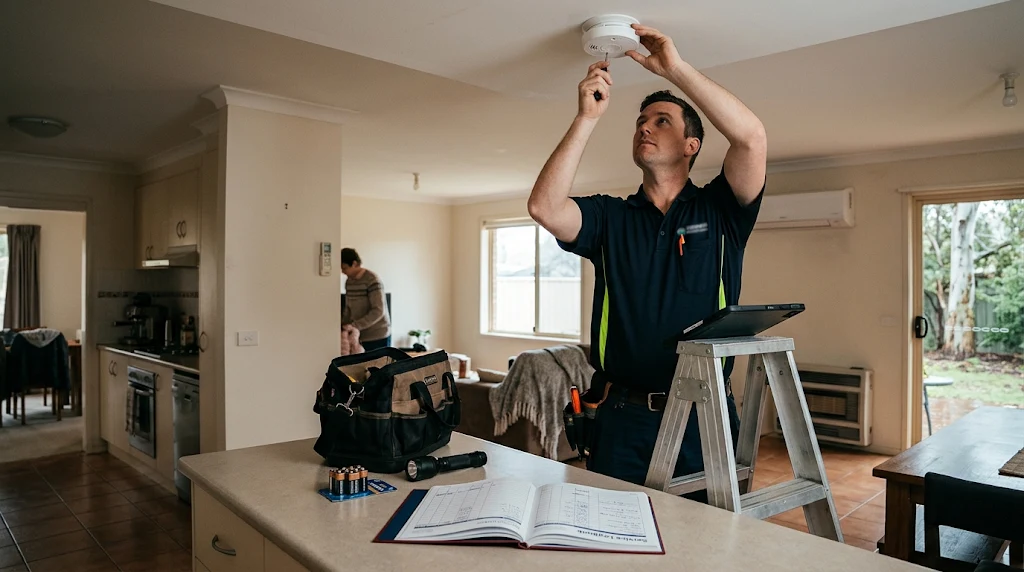
Smoke alarms provide an early warning when smoke is detected, giving occupants valuable time to respond and evacuate.
However, simply installing smoke alarms does not guarantee continued protection. Their effectiveness depends on correct installation, suitable positioning, regular testing and timely replacement.
In June 2026, FRNSW reported that firefighters could not identify a working smoke alarm in 45% of the nearly 3,900 residential fires attended during 2025.
This highlights the importance of ongoing smoke alarm awareness and maintenance.
Recommended Smoke Alarm Safety Checks
For residential properties, FRNSW recommends:
- Testing smoke alarms every month.
- Cleaning dust from smoke alarms every six months.
- Replacing applicable alkaline batteries annually.
- Replacing smoke alarms when they reach 10 years of age.
- Considering interconnected smoke alarms to improve warning coverage.
Smoke alarm installation and maintenance requirements may differ depending on the building classification, state or territory, applicable standards and installed system.
Fire protection contractors and building managers should confirm the requirements relevant to each property rather than applying one maintenance schedule to every building.
For additional advice, visit FRNSW Winter Fire Safety.
Fire Detection and Alarm System Maintenance in Commercial Buildings
Commercial buildings and other regulated facilities may contain more complex fire detection and alarm systems than standalone residential smoke alarms.
Depending on the building and its fire safety requirements, these systems may include:
- Smoke and heat detectors.
- Fire Indicator Panels (FIPs).
- Manual Call Points.
- Alarm Signalling Equipment.
- Occupant Warning Systems.
- Emergency Warning and Intercom Systems.
- Fire detection interfaces connected to other building safety systems.
Regular inspection and testing help identify faults, damaged components, power supply issues and other conditions that may affect system reliability.
In Australia, AS 1851—2012, Section 6 provides routine servicing requirements for applicable fire detection and alarm systems and associated equipment.
The relevant servicing activities and frequencies depend on the installed systems and applicable regulatory requirements.
Why Maintenance Records Matter
Accurate service records help fire protection professionals and building managers:
- Track completed inspections and tests.
- Identify equipment faults and recurring problems.
- Document defects and corrective actions.
- Monitor maintenance history.
- Support compliance documentation and future servicing.
A consistent record-keeping process also makes it easier for different technicians and service providers to understand the maintenance history of a building.
For more information, read our Fire Detection & Alarm Systems Logbook Guide.
Supporting Fire Detection Maintenance with AS 1851 Logbooks
Maintaining clear service records is an important part of professional fire protection work.
Fire Factory Australia’s Fire Detection & Alarm Systems Logbook (BFAS) provides a structured format for recording applicable inspection, testing and maintenance activities.
Developed around AS 1851—2012 (Incorporating Amendment 1), Section 6, this logbook supports documentation for fire detection and alarm systems, smoke and heat alarms, and relevant associated control functions.
Key Features of the BFAS Logbook
- Dedicated monthly, six-monthly, yearly and five-yearly service record sections.
- Fire detection and alarm system inspection records.
- Smoke and heat alarm servicing records.
- Detector and sampling point test records.
- Battery testing and measurement fields.
- Occupant warning system testing records.
- System interface testing documentation.
- Defect identification and corrective action records.
- Three-part carbonless pages for organised record distribution.
The BFAS Logbook is designed to support a two-year service record period.
It helps contractors keep applicable maintenance information organised in one practical hardcopy format.
Explore: Fire Detection & Alarm Systems Logbook – BFAS
For facilities requiring combined fire detection and emergency warning records, Fire Factory also offers the Alarms & Warning Systems Logbook.
Practical Winter Fire Safety Checklist for Building Managers
Winter fire safety reviews should consider both fire prevention and the reliability of installed fire protection equipment.
The following checklist can help facility managers, maintenance teams and fire protection contractors plan seasonal safety reviews.
1. Review Fire Detection Equipment
Check the maintenance status of installed smoke alarms, heat detectors and fire detection systems.
Confirm that applicable inspections and testing have been completed and that outstanding faults are being addressed.
2. Check Electrical Heating Equipment
Review the safe use of heaters, electric blankets and other electrical heating products in occupied areas.
Look for visible damage, exposed wiring, overheating and incorrect equipment use.
Damaged or unsafe equipment should be taken out of service and assessed or replaced as appropriate.
3. Maintain Clear Escape Routes
Ensure exits, corridors and designated evacuation routes remain clear.
Review whether occupants understand the building’s emergency procedures and evacuation arrangements.
4. Review Fire Protection Equipment
Check the inspection and maintenance status of applicable fire extinguishers, fire blankets, fire hose reels and other installed fire protection equipment.
The equipment and servicing requirements will depend on the building’s fire safety measures and relevant standards.
5. Keep Service Documentation Updated
Confirm that inspection results, identified defects and corrective actions are recorded in the appropriate service documentation.
Where AS 1851 applies, ensure the relevant servicing and record-keeping requirements are followed.
6. Communicate Fire Safety Information
Provide practical winter fire safety reminders to residents, employees and other building occupants.
Clear instructions about heating equipment, smoke alarms and emergency procedures can help reduce avoidable risks.
Fire Safety Compliance and Maintenance Requirements in NSW
Fire safety maintenance requirements in NSW depend on the building classification, installed essential fire safety measures and applicable legislation.
From 13 February 2026, NSW introduced requirements for applicable essential fire safety measures in new and existing Class 1b and Class 2–9 buildings to be maintained in accordance with AS 1851—2012, subject to relevant exceptions and alternative maintenance arrangements.
Building owners and responsible parties should identify the fire safety measures applicable to their properties and ensure that the required servicing is performed by appropriately competent and licensed personnel where necessary.
A service logbook can support maintenance documentation, but it does not replace required inspections, testing, professional assessments or other compliance obligations.
For fire detection and alarm systems, Fire Factory provides practical record-keeping products designed around the relevant AS 1851 service schedules.
Explore our Fire Safety Logbooks to find record books for different fire protection systems.
Choosing the Right Fire Safety Products and Service Records
Fire protection contractors and facility managers should select equipment and maintenance documentation based on the actual systems installed at each site.
Before purchasing fire safety equipment or service logbooks, consider:
- System type: Identify the installed fire protection systems and equipment.
- Applicable standards: Confirm the relevant Australian Standards and regulatory requirements.
- Service frequency: Determine the inspection and testing intervals that apply.
- Documentation: Select suitable record formats for inspection results, defects and corrective actions.
- Site requirements: Consider the building classification, occupancy and fire safety documentation.
Using appropriate products and consistent service records can improve maintenance coordination and support reliable long-term fire protection management.
Fire Factory Australia supplies fire protection products and logbooks for fire companies, electrical contractors, maintenance providers and other industry professionals across Australia.
Frequently Asked Questions
Why is winter a higher-risk period for residential fires in Australia?
Colder weather can increase the use of heaters, electric blankets and other electrical appliances. Incorrect use, damaged equipment and combustible materials near heat sources can increase fire risk.
How often should smoke alarms be tested?
FRNSW recommends testing residential smoke alarms monthly. Additional servicing requirements may apply depending on the installed system, building classification and relevant standards.
What is AS 1851—2012?
AS 1851—2012 is an Australian Standard covering the routine servicing of fire protection systems and equipment. Section 6 addresses fire detection and alarm systems and associated equipment.
Why are fire detection service records important?
Service records document inspections, test results, defects and corrective actions. They help contractors and building managers maintain an organised history of servicing activities and support applicable compliance obligations.
What is a Fire Detection and Alarm Systems Logbook?
A Fire Detection and Alarm Systems Logbook is a dedicated record book used to document applicable inspection, testing and maintenance activities.
Fire Factory Australia’s BFAS Logbook includes structured service records developed around AS 1851—2012 Section 6.
Can a service logbook replace professional fire safety inspections?
No. A logbook supports the recording of maintenance activities. Required inspections, testing and servicing must still be completed by suitably competent and appropriately licensed personnel where required.
Conclusion: Fire Safety Requires More Than Seasonal Awareness
The July 2026 FRNSW warning serves as an important reminder that fire safety depends on prevention, early detection and ongoing maintenance.
Working smoke alarms, correctly maintained fire detection systems, safe electrical equipment use and accurate service records all contribute to better fire safety management.
For fire protection professionals, regular servicing and clear documentation are essential to maintaining reliable systems and supporting applicable building safety requirements.
Fire Factory Australia – Supporting Fire Protection Professionals
Fire Factory Australia supplies fire safety equipment, accessories and AS 1851 service logbooks to fire protection companies, electrical contractors and industry customers across Australia.
Explore our Fire Safety Logbook Range or Contact Fire Factory Australia for product information and enquiries.
References and Further Reading
- Fire and Rescue NSW – Two Deaths in One Week Prompt Urgent Winter Fire Safety Warning (15 July 2026)
- Fire and Rescue NSW – Winter Fire Safety
- Fire and Rescue NSW – Smoke Alarm Action Day (1 June 2026)
- Fire Factory Australia – Fire Detection & Alarm Systems Logbook Guide