Table of Contents
ToggleRMIT Develops New Fire Safety Training to Address Renewable Energy Risks in Victoria
RMIT University is developing two new specialist training courses to help fire safety engineers and building surveyors address emerging fire risks associated with renewable energy systems in Australian buildings.
Announced in October 2026, the microcredential program aims to strengthen fire safety expertise as Victoria’s energy transition introduces new technologies into commercial and residential buildings.
The initiative will focus on two key areas: emerging fire risks associated with renewable energy systems and the use of digital technologies in fire safety engineering.
The program is being developed with industry and research partners, including CSIRO, STRATEG Consulting, Holmes Group and Arup.
Addressing New Fire Risks in Australia’s Energy Transition
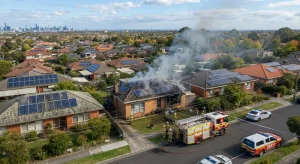
The growing adoption of battery energy storage systems, rooftop solar installations and connected energy technologies is changing the way buildings generate, store and manage electricity.
These developments introduce additional considerations for fire safety engineers, building surveyors and other professionals responsible for building safety.
Battery storage systems, for example, can present complex fire scenarios that require careful assessment of equipment location, fire behaviour and emergency response arrangements.
As these technologies become more common, fire safety professionals need appropriate technical knowledge to evaluate their potential impact on building design and safety strategies.
RMIT’s planned microcredentials aim to address this developing skills gap through specialised education and practical learning.
Two Specialist Fire Safety Microcredentials
The training program will cover two complementary areas of fire safety engineering.
1. Emerging Renewable Energy Fire Risks
The first area will focus on understanding fire safety challenges associated with renewable energy technologies.
These include battery energy storage, solar installations and connected energy systems.
The training aims to help professionals better understand how these technologies can influence building fire risks and the assessment of fire safety strategies.
2. Digital Fire Safety Design
The second area will focus on digital methods used in fire safety engineering.
Digital approaches can support the analysis of fire scenarios, coordination of building design information and documentation of engineering decisions.
By developing skills in these methods, fire safety professionals can strengthen their ability to assess complex building environments and communicate technical findings.
Fire Testing and Practical Demonstrations
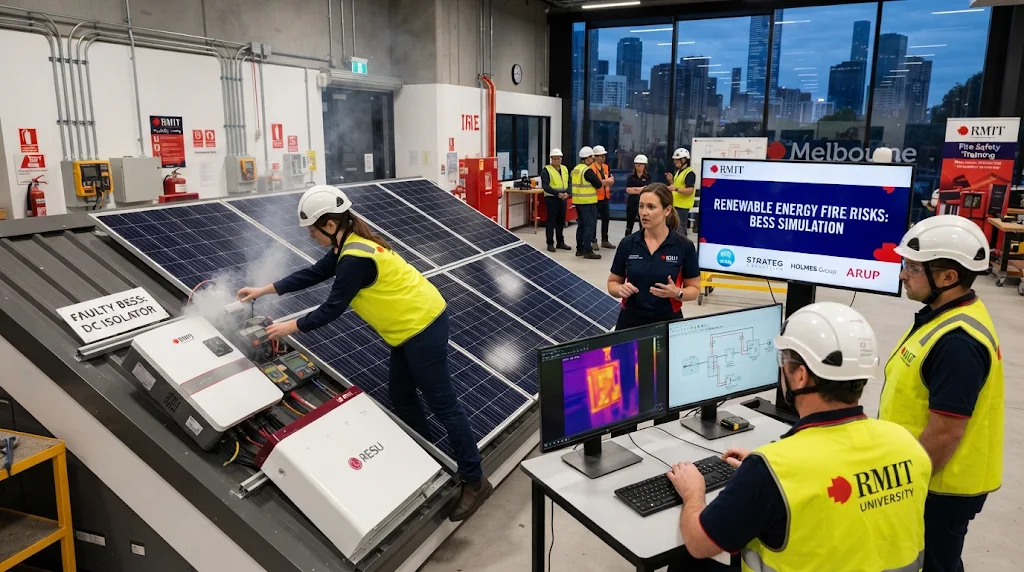
A key feature of the planned RMIT program is the inclusion of fire testing and practical demonstrations.
These activities are intended to connect technical learning with the behaviour of materials, equipment and systems under fire conditions.
Practical exposure to fire testing can help engineers and building surveyors understand how experimental evidence contributes to fire safety assessments.
The combination of technical education and demonstrations is particularly relevant as new energy technologies introduce fire scenarios that may require specialised engineering consideration.
Collaboration Between Research and Industry
RMIT is developing the program with several organisations involved in research, engineering and building safety.
The announced partners include:
- CSIRO – Australia’s national science agency.
- STRATEG Consulting – An industry consulting partner.
- Holmes Group – An engineering consultancy.
- Arup – A global engineering and design consultancy.
This collaboration brings together research and industry perspectives to support the development of training relevant to current fire safety challenges.
The program also highlights the importance of cooperation between universities, researchers, engineers and building professionals as Australia’s energy infrastructure continues to evolve.
What Does This Mean for Australia’s Fire Protection Industry?
The initiative is relevant to professionals involved in the design, assessment and management of fire safety systems in buildings.
As renewable energy installations become more common, fire safety strategies may need to consider how these technologies interact with existing building systems.
Relevant considerations can include:
- Fire detection and alarm arrangements
- Fire separation and compartmentation
- Fire suppression strategies
- Emergency access and response planning
- Building evacuation considerations
- Documentation of fire safety design decisions
The appropriate measures depend on the building, the energy technology and the applicable regulatory requirements.
Specialised training can help professionals understand these interactions and make more informed engineering assessments.
For fire protection contractors and building services teams, the development also reflects a broader industry need for technical knowledge as building systems become more complex.
Does the RMIT Program Introduce New Fire Safety Regulations?
No.
The announced microcredentials are an education and professional development initiative.
They do not introduce new Australian fire safety standards, mandatory licensing conditions or additional regulatory duties.
Fire safety engineers, building surveyors and contractors must continue to follow the applicable National Construction Code provisions, Australian Standards and relevant state or territory requirements.
The purpose of the RMIT initiative is to strengthen professional capability in areas where technologies and associated fire risks are evolving.
Supporting the Future of Fire Safety Engineering
Australia’s transition towards renewable energy is creating new technical challenges for building designers and fire safety professionals.
Battery storage, solar power and connected energy infrastructure are increasingly important parts of modern buildings.
Understanding their fire safety implications requires a combination of engineering knowledge, practical testing and appropriate design methods.
RMIT’s planned microcredentials represent an effort to prepare professionals for these emerging challenges.
By focusing on renewable energy fire risks and digital fire safety design, the program aims to support the development of specialist skills within Australia’s building and fire protection industries.
Conclusion
RMIT University’s new fire safety microcredential initiative highlights the growing importance of specialist training as renewable energy technologies become more widely integrated into Australian buildings.
Developed in collaboration with CSIRO and industry partners, the program will address emerging fire risks and digital approaches to fire safety engineering.
Although the courses do not introduce new regulatory obligations, they represent a professional development initiative for engineers and building surveyors working with increasingly complex building technologies.
The program also reflects the continuing need for research, practical testing and technical education to support the future of fire safety engineering in Australia.
Official Source
RMIT University – New Microcredential Training Program to Close the Fire Safety Skills Gap in Victoria’s Energy Transition
October 2026
https://www.rmit.edu.au/news/all-news/2026/oct/microcredential-supports-fire-safety