Table of Contents
ToggleHow Should Fire Contractors Prepare a Site for a Maintenance Audit?
Quick Answer: Fire contractors prepare a site by confirming the audit scope, local requirements, and system boundaries, then organising registers, due activities, service evidence, defects, and product records into a clear fire maintenance audit checklist. A fire service records audit should include current drawings, test results, and access arrangements.
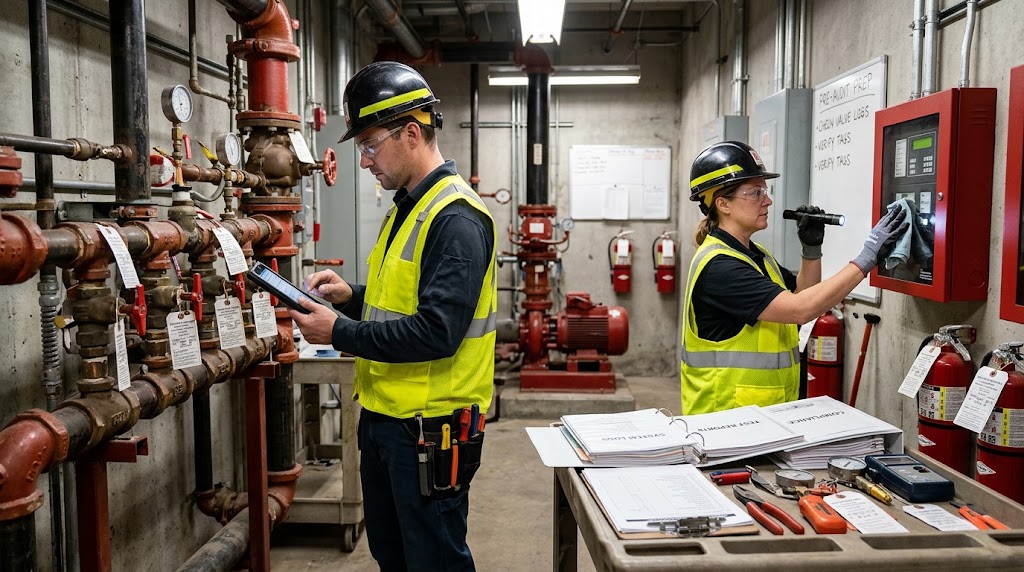
A maintenance audit is easier when the site is presented as a working compliance package, not a folder of loose documents. For Australian fire companies, electrical contractors, and retail or commercial facility teams, the goal is to show what is installed, what was serviced, what is due, and what remains open. A disciplined preparation process reduces on site questioning, protects the technical team, and gives auditors a clearer path through the records when supported by FireFactory B2B fire protection products.
Confirm the audit scope before collecting records
Start by defining the exact audit scope. The scope should state the building, tenancies, zones, systems, equipment categories, and any special local requirements. A fire maintenance audit checklist is only useful when it matches the systems that the auditor will actually review. If the scope is unclear, the team may collect the wrong records or miss a system that falls under a separate contract.
Before drafting the checklist, verify exact clauses, service intervals, and product claims against current official sources. The source should apply to the equipment model, installation type, and local requirements. A standards catalogue locator identifies the correct publication, but it does not replace the full standard text or an official technical guide. Contractors can use the Standards Australia search page to locate the relevant standard, then obtain the full text or official guidance before citing detailed requirements.
This step prevents two common problems. First, it avoids quoting an obsolete edition or an interval that does not apply to the site. Second, it keeps product claims accurate, especially when replacement parts, model numbers, or system components differ from the original installation.
Build a practical fire maintenance audit checklist
A practical fire maintenance audit checklist should separate records into clear groups. The main groups are system registers, due activities, service evidence, and defects. Adding product evidence and access notes makes the package easier to audit in a live commercial building.
| Checklist area | What to include | Why it matters |
|---|---|---|
| System registers | Equipment list, model numbers, locations, zones, and responsible contractors | Confirms what is installed and where it is controlled |
| Due activities | Scheduled inspections, tests, replacements, and outstanding tasks | Shows what is due and whether the site is current |
| Service evidence | Completed reports, test results, sign off records, and photos where useful | Provides proof that maintenance was performed |
| Defects | Open defects, severity, remediation plan, and responsible party | Identifies risk and demonstrates accountability |
| Product evidence | Exact model data, manufacturer instructions, and replacement part records | Supports accurate operation and maintenance decisions |
The checklist should be specific enough to direct a technician to the panel, device, register, or report without extra searching. It should also be simple enough for a site manager to understand at a glance.
What belongs in a fire service records audit
A fire service records audit should contain evidence that connects the register to the physical site. The records do not need to be exhaustive, but they need to be traceable. If an auditor asks for evidence of a device, the team should be able to show where it is listed, when it was last serviced, and what action remains.
- As built or current system drawings, with revisions noted
- Equipment registers with exact model references and locations
- Service reports matched to the audit period
- Test results where applicable
- Defect registers with clear status and ownership
- Product documentation for exact models, including official technical guidance where required
- Access arrangements, isolation points, and key or switch locations
The most valuable records are those that explain what was done, who did it, when it was done, and what evidence remains. Vague entries such as “service completed” are harder to defend than records that state the system, date, technician, result, and any follow up action.
Prepare equipment and site access for verification
Records support the audit, but the auditor may still need to verify equipment in place. Contractors should prepare the site so that panels, devices, labels, and access points are easy to inspect. This means clear signage, accessible equipment, safe working arrangements, and a logical route through the building.
Common failure points include locked panels without key control, faded labels, missing spare fuses or components, outdated floor maps, and equipment that has been moved without updating the register. In commercial facilities, access may also depend on business hours, security clearance, tenancy boundaries, or critical operations. Planning these items in advance prevents delays on the day.
A useful site pack can include documentation folders, test tags, system signage, replacement components, and a printed version of the checklist. FireFactory supplies B2B fire protection products, which can help contractors standardise these items across multiple sites and keep the audit package consistent.
Common mistakes that delay a fire service records audit
- Using a generic checklist without confirming the actual audit scope
- Mixing current and obsolete records without noting the revision
- Stating service intervals without checking the current standard or official guide
- Leaving defects unrecorded or assigning no owner
- Referring to equipment by name only, without exact model evidence
- Assuming local requirements are the same as another site or jurisdiction
Most delays come from gaps between the register, the physical equipment, and the supporting documents. A short pre audit review helps close those gaps. The team should walk the site, check access, confirm open defects, and make sure the fire maintenance audit checklist matches what is actually installed.
Frequently Asked Questions
What is a fire maintenance audit checklist?
A fire maintenance audit checklist is a structured list of records and site checks used to review fire systems. It typically includes system registers, due activities, service evidence, defect status, and product documentation.
How should fire contractors prepare for a fire service records audit?
Contractors should confirm the audit scope, verify applicable requirements, organize records, and prepare site access. The goal is to show a clear link between installed equipment, completed service, and any outstanding actions.
Do service intervals need to be confirmed against official sources?
Yes. Intervals, clauses, and product claims should be checked against current official sources and the relevant standard or technical guide. A standards catalogue locator helps identify the source but does not replace the full standard text.
What records are most important during a fire service records audit?
The most important records are current system registers, completed service reports, test results, defect registers, and exact model documentation. These records show what is installed, what has been serviced, and what remains open.
How do commercial facilities make the audit more complex?
Commercial sites often involve multiple tenancies, restricted access, business hours, and critical operations. Contractors should plan access, identify responsible parties, and ensure the checklist matches the actual site layout.