Table of Contents
ToggleAustralian households have relied on AS 3786:2014 for almost a decade. That edition did the job, yet technology has moved on and real-world fire data now paints a sharper picture. On 17 February 2023, Standards Australia responded with AS 3786:2023, a wholesale rewrite rather than a tweak. While the new document is not yet the legal minimum in New South Wales, it sets the direction for the next National Construction Code (NCC 2025). Here’s a clear-sighted look at how the fresh standard lifts safety and convenience for anyone fitting or living with PSA smoke alarm wholesale.
A Standard That Catches Up With Today’s Homes
AS 3786:2023 aligns closely with ISO 12239:2021, bringing Australian requirements into step with global practice. That alignment matters because it opens the local market to a wider range of certified devices, encourages competitive pricing, and lets multinational manufacturers supply identical models across regions. Just as importantly, the new clauses speak directly to connected homes—Wi-Fi routers on every bench, smart speakers in bedrooms, and an ever-growing mix of lithium battery devices charging overnight. The 2014 test suite never anticipated that landscape; the 2023 version does.
From One Sensor to Many – Faster, Smarter Detection
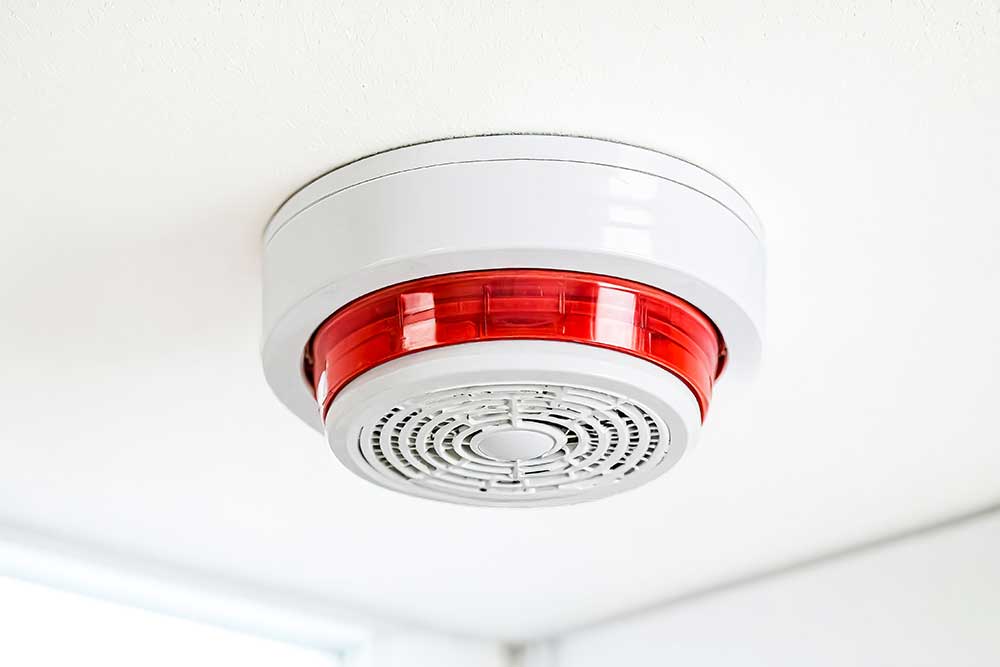
The 2014 edition focused on single-sensor photoelectric alarms. Those devices remain a good first line of defence against smouldering fires but can react more slowly to a fast-flaming event. AS 3786:2023 formally recognises multi-sensor designs that combine photoelectric chambers with heat or other elements. Manufacturers can now certify dual-purpose units that flag an early thermal surge while still catching slow, smoky combustion.
For the first time, a PSA smoke alarm wholesale price may also house a carbon monoxide (CO) cell under the same approval. CO poisoning can occur without a visible flame, particularly in dwellings with gas heaters or attached garages. One ceiling-mounted unit guarding against both hazards simplifies installation and maintenance, especially in tight townhouses where wall space is at a premium.
Stronger Links and Power Systems – Reliability Under Stress
Interconnection saves lives by waking every sleeper when one alarm triggers. Wired joins have long been dependable, but wireless radio links dominate retrofits and rental upgrades. Clause 4.28 of AS 3786:2023 sets out a tougher sequence of heat, cold, vibration, impact and corrosion tests that the RF pathway must survive. An alarm that passes these checks will keep talking to its mates after a decade in a dusty roof space.
Hard-wired units also receive extra scrutiny. New polarity-reversal trials weed out products that might be damaged by an electrician’s slip, and external power packs must meet tighter stability limits. The result is fewer call-backs for trades and better odds that power and battery back-up stay available when a fire starts.
Designed With Residents in Mind – Less Frustration, More Up-Time
False alarms drive flat batteries and risky DIY removals. The 2023 standard introduces a “temporary disablement” feature—commonly called a hush button—with timing and operation rules that every brand must follow. Tap the hush control once and the unit quiets for a short, fixed period, then resets automatically. Because this behaviour is identical across certified models, householders can trust the function and leave the alarm alone rather than yanking it off the bracket.
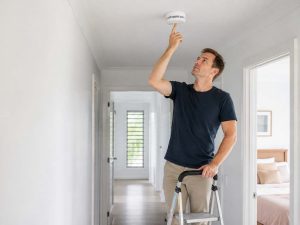
Visibility also receives attention. Status LEDs must now be readable from a metre away under normal room lighting. A quick glance up the hallway tells an older resident whether the green power light is on or an amber fault light needs attention, no ladder required. The test button must be reachable once the alarm is mounted and may be remote-controlled—smartphone testing systems are already appearing.
Insects, steam and dust remain common triggers. By lowering the allowable probe size and tightening the screen design, AS 3786:2023 keeps more contaminants out of the sensing chamber. The payoff is fewer midnight bleeps and less sneaky tape over sounders.
What Changes Right Now in New South Wales?
NCC 2022 still points to AS 3786:2014, so any construction or mandatory replacement must use 2014-approved PSA smoke alarm suppliers until NCC 2025 lands. That said, NCC 2025’s public draft already references AS 3786:2023, signalling a swift switch-over once adopted. Installing a 2023-certified photoelectric alarm today avoids an extra spend in two or three years and adds the benefits listed above immediately.
Landlords should remember the unchanged rules: an alarm on every level, monthly tests, annual checks in rentals, and a maximum ten-year life. Choosing the newer standard simply meets those duties with a higher-spec product.
A smoke alarm’s only job is to sound early and sound reliably. AS 3786:2023 strips away guesswork by embracing modern home layouts, smarter sensors and tougher endurance criteria. While the law in NSW will lag until NCC 2025 is gazetted, fitting the latest standard now keeps families safer and shields owners from a second upgrade cycle. Fire, after all, does not wait for legislation.