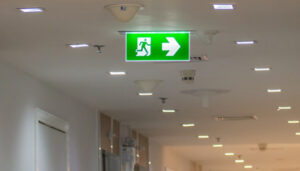
LiFePO₄ vs Ni-Cd: Five-Year Cost Maths That Makes Swapping Your Exit Lights a No-Brainer
Owners of commercial property are used to the steady trickle of costs that flow from AS 2293 compliance testing. Every six months an electrician turns

Owners of commercial property are used to the steady trickle of costs that flow from AS 2293 compliance testing. Every six months an electrician turns

Commercial lighting upgrades are no longer driven only by visibility targets; energy and risk management now sit at the same table as aesthetics. Replacing fluorescent

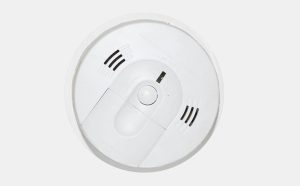
Photoelectric sensing now sits at the centre of Australian residential and commercial fire protection. Unlike older ionisation detectors that favour fast-flame fires, photoelectric cells recognise

Thermoplastic-sheathed (TPS) cable underpins most low-voltage fire and data wiring in Australia. One product code on the purchase order hides three constructions tuned to different

Compliant exit and emergency lighting does far more than satisfy a checklist; it keeps people alive when visibility drops to zero. During a fire or

Photoelectric Alarms: How They Spot Smoke Think of photoelectric alarms using light. Inside, there’s a little light beam pointing away from a sensor. Normally, clear

When the lights go out unexpectedly – think power failure, fire alarm, the works – finding your way out of a building safely becomes priority

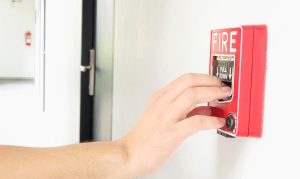
Fire alarms are absolute lifesavers, when the worst happens. We rely on them completely. But like any sensitive electronic gear these days, they face a

We often think of emergency lights and glowing exit signs as things for offices, shops, or big public venues. But what about where we live?

Lighting plays an important role in commercial buildings. It helps employees work efficiently and keeps customers safe. Emergency lighting is even more important because it