
Table of Contents
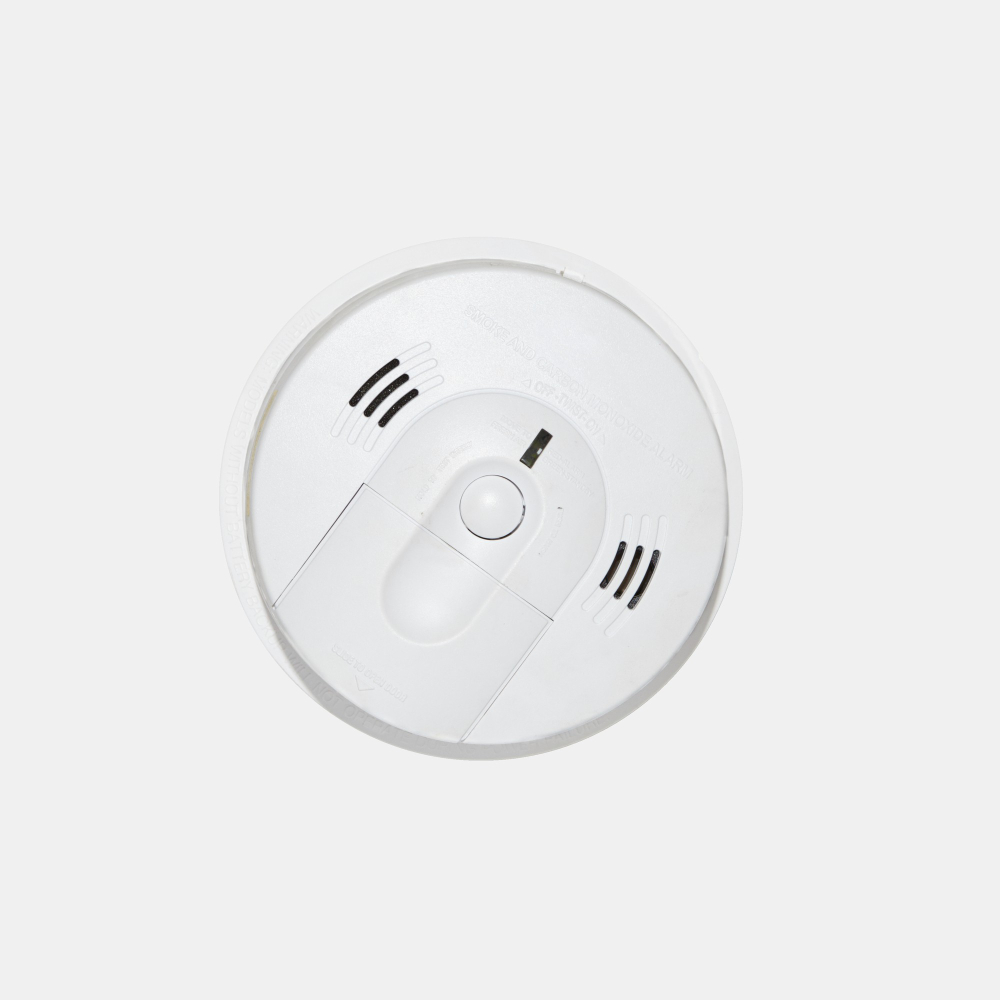
ToggleAustralian households rely on photoelectric smoke alarms to raise the alert early and buy time to escape. Behind every compliant device sits AS 3786, the product standard that sets how a smoke alarm must be designed, built, and tested. This guide breaks down what AS 3786 covers, what changed in the most recent edition, and how it links to state rules and the National Construction Code (NCC).
What AS 3786 actually covers
AS 3786 is a product standard. It specifies performance, testing, power options, interconnection capability, and marking for domestic smoke alarms that use scattered light (photoelectric), transmitted light, or ionisation. It applies to alarms intended for homes and similar residential settings. In plain terms, if an alarm claims compliance with AS 3786, it has passed defined laboratory tests and meets functional criteria set for Australian conditions.
2014 vs 2023: which edition applies today?
You will see both AS 3786:2014 and AS 3786:2023 referenced. The 2023 edition supersedes 2014 at the standards level, and adds detail for things like radio-linked alarms, temporary hush functions, wall-mount assessments, and documentation. But legal compliance depends on what legislation and the NCC call up. As of August 2025, many jurisdictions still reference AS 3786:2014 for domestic smoke alarms, so a 2014-marked alarm remains acceptable where law and the NCC specify it.
Quick take: Do you need to replace a working, interconnected alarm marked AS 3786:2014 just to meet 2023? No, not in most states and territories while laws still reference 2014. Check your local regulator’s wording before upgrading purely for the label.
How AS 3786 links to installation rules
AS 3786 tells you what a compliant alarm is. Where and how many alarms you need is set by the NCC Housing Provisions and state legislation. The NCC requires alarms that comply with AS 3786, be mains powered where mains is available, and be interconnected where more than one alarm is installed. It also sets minimum locations such as between bedrooms and the rest of the dwelling, and on each other storey. States may add extra rules.
Example: Queensland
Queensland requires interconnected photoelectric alarms that comply with AS 3786:2014, with staged deadlines. All existing private homes, townhouses, and units must have interconnected photoelectric alarms by 1 January 2027. The state’s guidance also explains acceptable power sources: hardwired with secondary power, or 10-year non-removable battery.
Why photoelectric?
Photoelectric alarms detect visible smoke from smouldering fires, common with soft furnishings and modern contents. Fire services across Australia advise photoelectric alarms for living areas and bedrooms due to better early warning in these scenarios, reduced nuisance alarms near kitchens when placed correctly, and strong all-round performance.
Fair question: Are ionisation alarms banned? No. The standard still covers them, but many state resources prefer photoelectric for bedrooms and living spaces, and allow heat alarms in areas prone to false alarms.
What to look for on the label
When you pick up an alarm, check:
- The marking “AS 3786:2014” or “AS 3786:2023”, matching your jurisdiction’s reference.
- Power type: 240 V hardwired with backup, or 10-year sealed lithium battery.
- Interconnection method: wired or wireless radio link, suitable for your dwelling layout.
These points align your purchase with the standard and with NCC and state expectations.
A fast comparison
| Topic | AS 3786:2014 | AS 3786:2023 |
| Scope | Photoelectric, ionisation, combo alarms | Continues scope, updates and clarifies provisions |
| Notable additions | — | Requirements addressing RF-linked alarms, temporary disablement, wall-mount assessment, expanded documentation notes |
| Legal call-up | Widely referenced in current state rules and NCC | Supersedes 2014 at Standards level, but adoption into law varies |
Placement and maintenance still matter
Even a compliant alarm fails if positioned poorly or left unmaintained. Follow NCC location guidance, keep alarms away from dead air spaces and moisture, and interconnect all units so a bedroom alarm triggers the rest. Test monthly and replace the unit at 10 years, as sensors drift with age.
Buying for projects and portfolios
Specifiers and strata managers often source alarms through electrical wholesalers. If you buy at scale, ask for documented compliance to the current legal reference, supply chain continuity, and clear instructions for interconnection. Many wholesalers list PSA smoke alarm wholesale options among other brands, which helps keep models consistent across a program.
Budget owners should request written quotes that spell out the unit cost, accessories, and any programming service. Ask vendors to state the PSA smoke alarm wholesale price or equivalent lines in a like-for-like schedule so comparisons stay clean.
Installers work more smoothly when procurement lines up certifications, manuals, and pairing steps in advance. Reliable PSA smoke alarm suppliers and similar distributors will provide certificates of conformity and pairing guides to streamline commissioning and record-keeping.
State snapshots you should know
- Queensland: Interconnected photoelectric alarms required by 1 January 2027 for all existing private dwellings. Rentals and sales had earlier triggers. Devices must comply with AS 3786:2014 under current guidance.
- National Construction Code: Calls up AS 3786, requires interconnection where more than one alarm is installed, and mains power where mains exists. Location rules apply to sleeping areas and other storeys. Local variations apply.
- Western Australia: Government resources recommend photoelectric alarms and outline when hardwiring and interconnection are required, along with maintenance expectations.
Final word
AS 3786 gives you confidence that a smoke alarm has been built and tested to Australian requirements. Choose photoelectric, match the edition your local rules call up, interconnect across bedrooms and corridors, and keep records of installation and testing. That mix of standard compliance, good placement, and regular checks is what keeps households safe.